
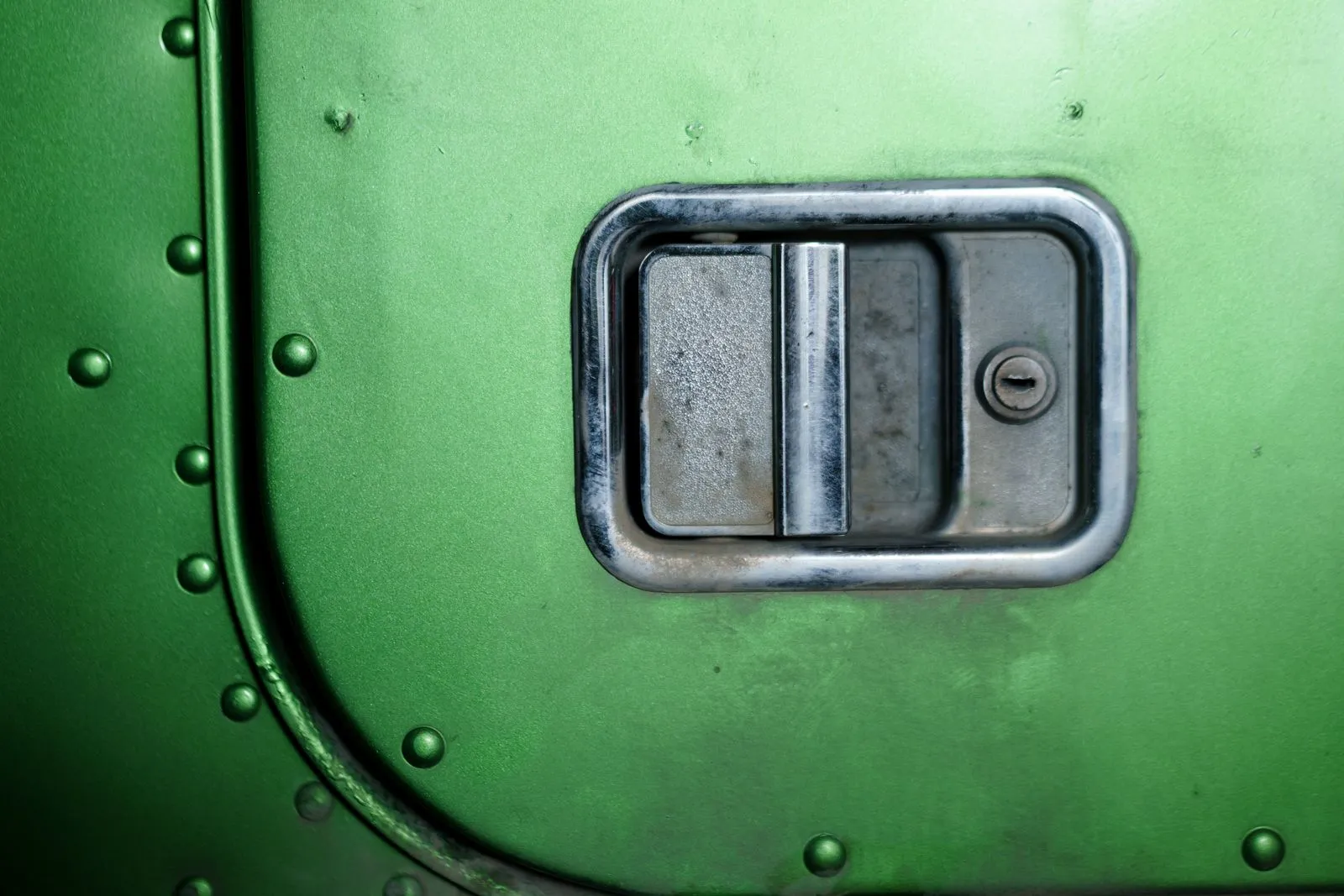
A keyless lock can make everyday entry simpler, but not every model fits every door as-is. Compatibility depends on the door’s material and thickness, the existing lock setup, and the dimensions of the holes and hardware. Before buying a lock, take a few measurements and inspect the door from both sides. These checks can help you avoid choosing a model that needs extra parts, door preparation, or a different installation approach.
Identify your door type
Start by checking whether the door is wood, metal, fiberglass, or glass. Many residential keyless locks are designed for standard hinged wood or metal doors, while some materials and door styles need specific mounting hardware. A narrow-stile door, such as many patio or commercial doors, may not have enough room for a standard keypad or interior lock body.
Measure the door’s thickness at its edge, not at the trim. Compare it with the lock maker’s stated thickness range. Also note whether the door is hinged on the left or right and whether it swings inward or outward. These details can affect which lock configuration works and whether the keypad and interior unit have enough clearance.
Check the current lock setup
Look at the lock edge and both faces of the door. A single bored hole with a separate latch is common on many homes. Other doors have a mortise lock, where the mechanism sits inside a pocket cut into the door, or a multipoint system that secures the door at several points. A replacement keypad lock may not connect directly to those less common setups.
Record the existing hardware before removing anything. Note the latch type, the distance from the door edge to the center of the lock hole, and the backset—the distance from the edge of the door to the center of the keyhole or knob. Check whether the lock is part of a handle set or has a separate deadbolt. Product instructions often specify which arrangements the lock supports.
Measure holes and clearance
Use a tape measure to check the diameter of the existing bore hole and the size of the smaller latch hole through the door edge. Measure the distance between the lock center and any deadbolt or handle below it. Compare each measurement with the installation template for the model you are considering; do not assume that a similar-looking lock uses the same dimensions.
Check the space around the door as well. The frame must allow the strike plate to sit securely, and the door should close without rubbing or needing to be lifted. On the interior, look for nearby trim, glass, or a second door that could obstruct the lock body or its battery cover. A fit problem may be about clearance, not just hole size.
Know when to get help
A lock may still be installable if the holes need adjustment, but drilling or enlarging them can weaken a door or damage its finish when done incorrectly. Be especially cautious with glass, narrow-stile, metal, and mortise-lock doors. Confirm that the lock is approved for the door type and follow its template and instructions before making changes.
If you cannot identify the lock mechanism, measurements fall outside the product range, or the door does not close and latch smoothly, ask a locksmith to assess it before purchasing. Share clear photos of the door edge, both sides, and the existing strike plate, along with your measurements. That gives the installer a better chance to recommend a compatible model and spot extra work.
Check the door material and thickness, identify the existing lock, and compare the hole and backset measurements with the lock’s installation guide. Also verify that the door and frame align and leave room for the new hardware. If anything is unclear, Manchester Key Access can help you assess compatibility before installation; contact a qualified locksmith for advice tailored to your door.